
A magnum opus is not just a masterpiece. It’s the point where everything you’ve learned and lived converges into work that matters—where your mind’s way of making meaning meets a problem worth solving. It is not a singular achievement but a cognitive threshold: the moment our experience becomes architecture for something larger than ourselves.
I. The Quiet Crisis: The Disappearance of Meaningful Work
We’re hopefully at the tail end of an age created by non-leaders who’ve confused “optimization” for value. The word once meant refinement and collaboration for mutual benefit – to optimize meant to make something better all around. It comes from the root word for optimal, which also gives us “optimism.” We couldn’t have gotten further from that origin. Now it means compression: extracting the most from people while giving the least in return. Under this reductive logic, the economy rewards speculation and hype more than craftsmanship or coherence. The consequence is a quiet crisis. Even those with power and comfort often sense that their work—efficient though it may be—adds nothing lasting to the world.
In a culture driven by scarcity, self-actualization has been recast as a luxury, an optional pursuit once survival is secured. Yet neuroscience tells us the opposite.
Meaning-making is not decorative; it is regulatory. The brain depends on purpose, coherence, and contribution to maintain equilibrium. When these are absent, even basic functions—focus, regulation, resilience—begin to fray. A life without meaning is not lean; it is malnourished.
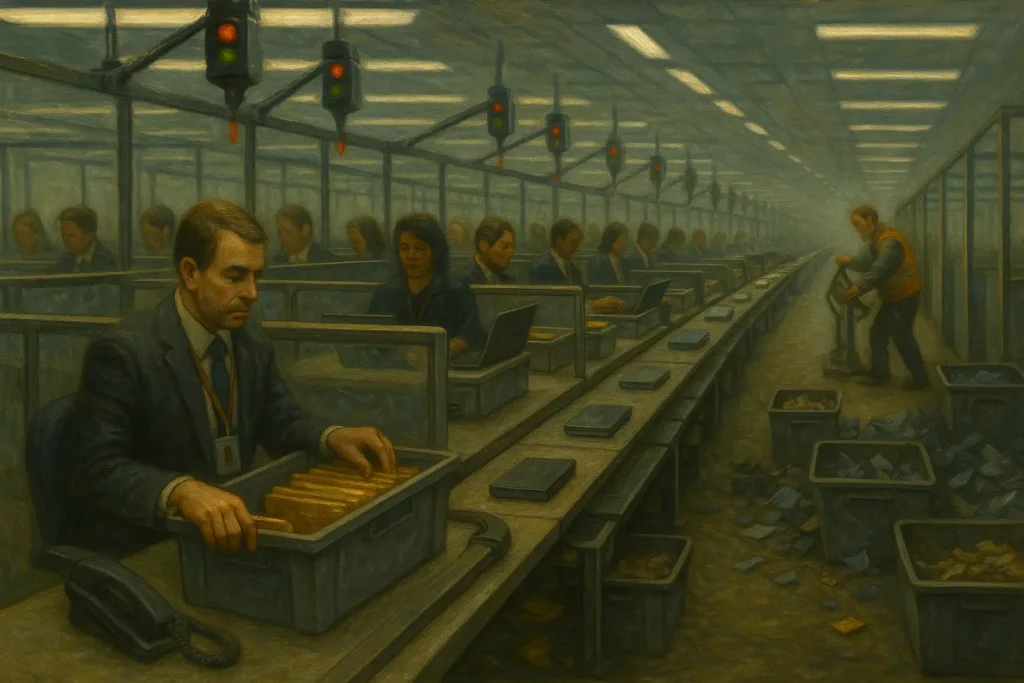
II. The False Hierarchy: Why We Postpone the Real Work
We’ve been trained to believe that the “real work” comes later—after we’ve earned enough, proven enough, survived enough. This deferral is cultural dogma disguised as pragmatism. Postponing meaning breeds learned helplessness: we stop designing our lives and start enduring them.
Maslow’s hierarchy, for all its historical influence, encouraged this misconception. It stacked our needs in sequence, implying that purpose belongs to the fortunate few. But the modern understanding of the nervous system shows that purpose is not the capstone of wellbeing—it is its organizing principle. Meaning helps regulate attention and emotion; it is how the mind integrates chaos into coherence. Readiness, then, is not about resources. It is about alignment. See Rethinking Maslow.
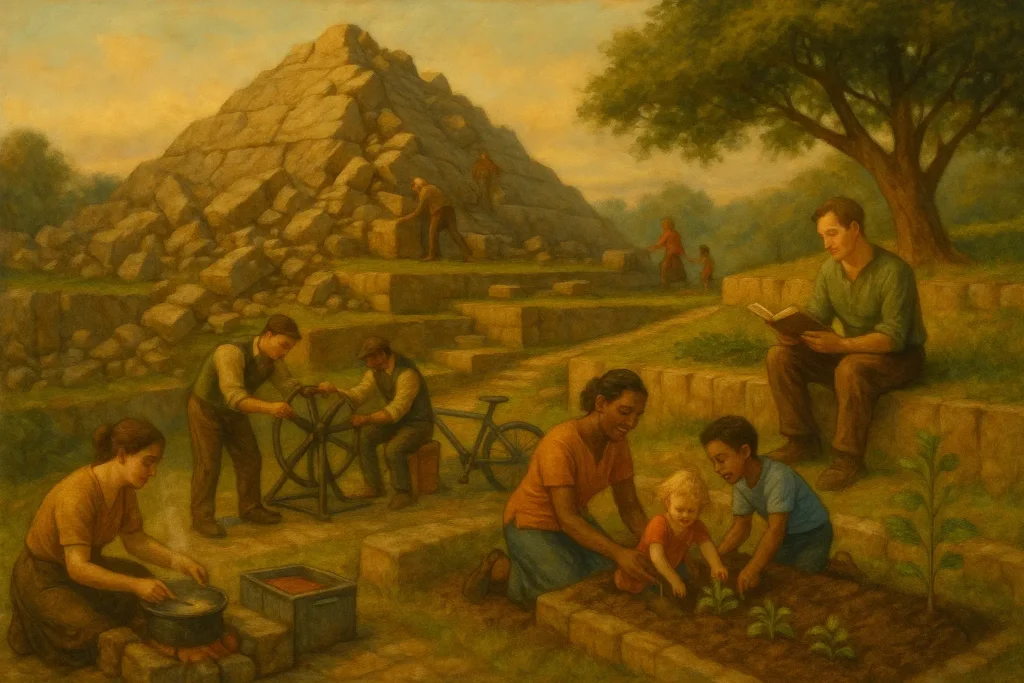
III. The Developmental Truth: We Become More Capable with Time
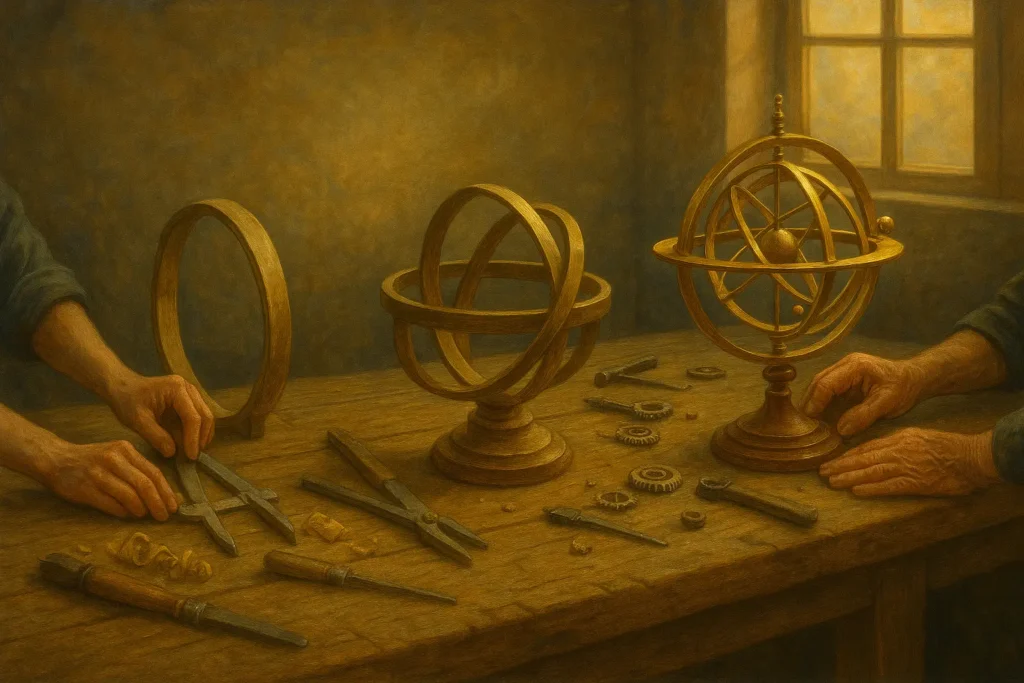
The cultural obsession with youth has blinded us to one of humanity’s quietest miracles: cognition deepens with age. Elliott Jaques’ research on cognitive complexity reveals that as we accumulate experience, we gain the ability to think in longer arcs, hold paradox, and connect across systems. A Magnum Opus—in the truest sense—requires that kind of integrative capacity.
Our society often sidelines precisely those who have achieved it. We treat accumulated wisdom as redundancy instead of readiness. Yet this is when the mind is finally able to build work that endures. What we call mastery is not speed or brilliance—it is the patient synthesis of decades into something of lasting benefit. For me, that synthesis became ARTESIAN: a framework to translate the science of human development into real structures for growth and quality of life. Yours will take a different form, but the call is the same: to convert experience into contribution.
IV. The Alignment Principle: Readiness as Inner Coherence
The brain is always weaving experience into story, tagging what matters, discarding what doesn’t. This narrative imperative is the hidden current beneath every choice we make. When we ignore it, life feels fragmented; when we engage it consciously, life becomes navigable.
Alignment begins when effort matches the way our mind makes meaning. Each of us has a cognitive identity—a distinctive way we process information, solve problems, and perceive relevance. When that identity aligns with our deep values, energy returns. Work stops feeling extracted and begins to feel self-reinforcing. This is the true architecture of readiness: coherence between who we are, what we value, and what we build.
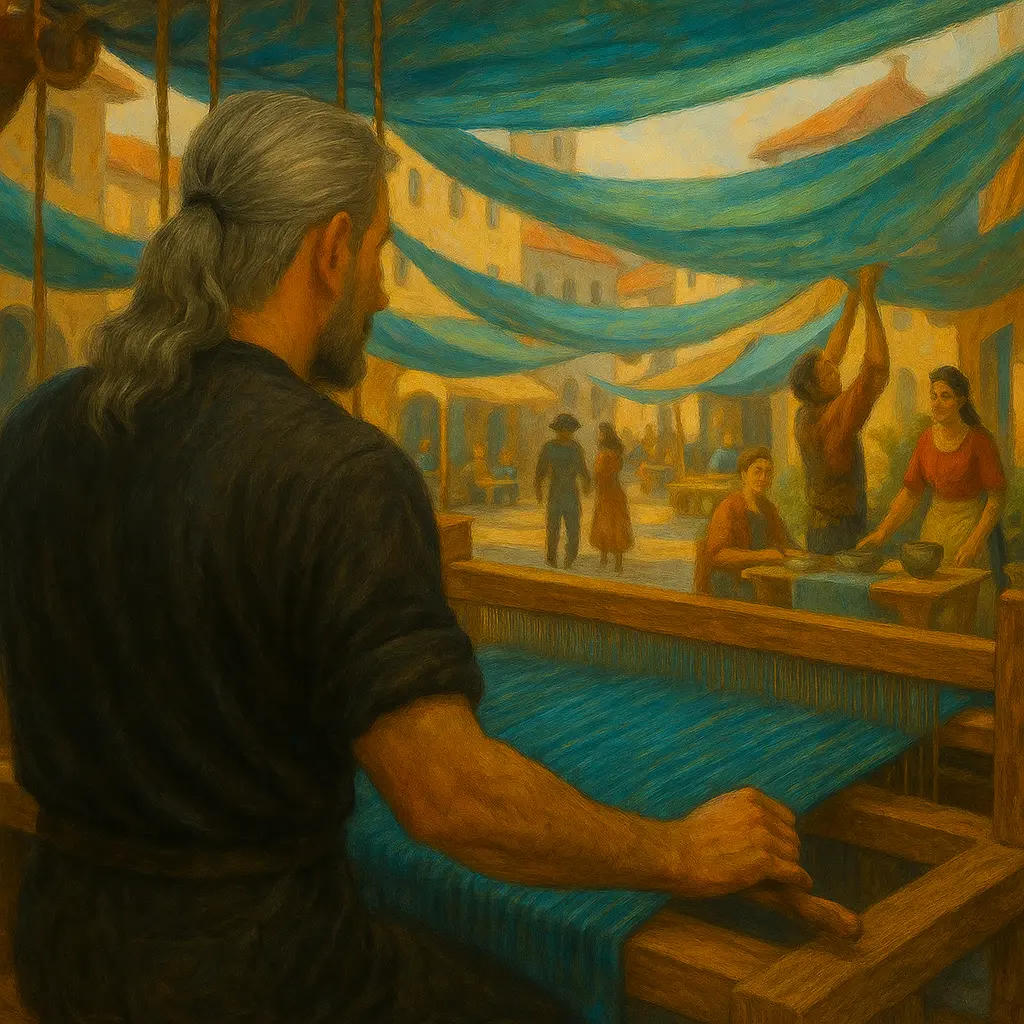
V. The Call to Begin: Your Work Is Already Waiting
We are always ready to begin, because the machinery for meaning is already active within us. The task is to listen to it. Start by tracing what your attention returns to, again and again—the subjects that quietly organize your curiosity. These are not distractions; they are coordinates. Follow them. Translate them into small, deliberate acts of contribution. The shape of your Magnum Opus will emerge in the doing.
Meaningful work is not an external reward for the successful; it is the natural by-product of alignment. When the mind’s architecture meets the world’s need, coherence becomes contribution. The masterpiece is not a miracle—it is an outcome of attention, cultivated over time.
Coda
For those of us building frameworks, art, or organizations grounded in these principles, the work ahead is collective. The more we align individual growth with systemic benefit, the more society itself becomes regenerative. This is the work of a lifetime: to build something so coherent, so interdependent, that it uplifts everyone it touches. That is what a Magnum Opus truly is—and why we must each begin ours now.