
ESSAYS
Original research and thinking on human development
-
Cultivating Our Cognitive Advantage: Part II
Part II — The Social Imperative: Cognition and Society Are Interdependent
Humans evolved a costly advantage: higher-level cognition. But it does not develop, or function well, in isolation. Society is the developmental habitat of the human mind: a coordination ecology of shared norms, cumulative teaching, and institutions that store knowledge beyond any one person. The practical implication is stewardship—of selves, communities, and the scaffolds that make a coherent life possible.

-

Neurodivergence: Responsibility and Opportunity
Clinical meaning, personal responsibility, and the practice of deliberate skill.
Neurodivergence isn’t an excuse, identity, or diagnosis; it’s an umbrella term that matters only when it points toward action. Diagnosis is pursued when symptoms are intense, persistent, and impair daily functioning enough to warrant support. From there the real work begins: stabilizing wellbeing through strategies that make executive skills reliable, often by externalizing the brain into cues, routines, and community.
-

Cultivating Our Cognitive Advantage: Part I
Part 1 – Coherence: Humankind's Advantage and Developmental Imperative
Humans are not unique in intelligence or cooperation, what is distinctive is how these evolved in our biology: language, metacognition, and the capacity to model reality, revise beliefs, and coordinate at scale. Our challenge is integrating our impulses. Coherence is the trainable coordination of many signals across time, shaped through executive function and social scaffolding into stable, adaptive capability.
-

The Ecology of the Brain
Cultivating Mental Health & Revealing Human Potential
Tending your unique mind as a living ecosystem is the primary act of well-being, the one discipline from which human potential and a truly thriving society emerge.
-
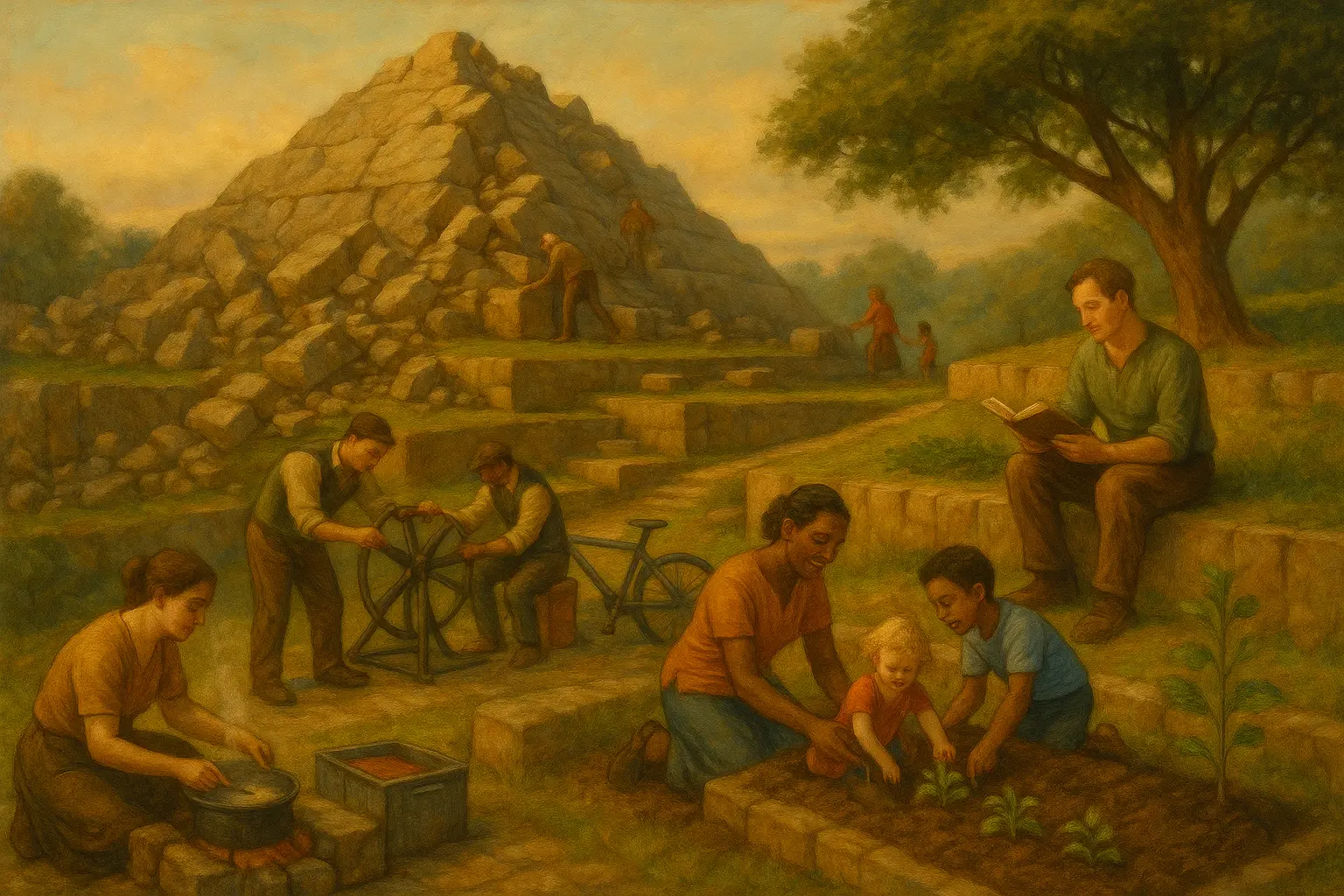
When Will You Begin Your Magnum Opus?
Meaningful work isn’t a luxury, it’s the brain’s natural operation.
Your magnum opus begins when your experience, values, and way of making meaning align with work that genuinely contributes something to the world. Meaningful work isn’t a luxury reserved for later. It is part of how the brain regulates, organizes, and sustains life. The real task is not waiting to be ready, but turning your purpose into coherent, lasting impact.
-

Developing the Art of Celestial Navigation
Restoring Executive Function Part 5
You do not reclaim executive function through slogans or willpower. You rebuild it through daily practices that restore working memory, inhibition, flexibility, regulation, planning, organization, and time awareness. Walking away from corrosive systems is the first move. Building better habits, better tools, and better spaces is the next. Reclaiming cognitive agency is personal work, but it is also civic work.
-

The Lost Art of Collective Navigation
Restoring Executive Function Part 4
The attention economy does not produce real value. It produces fragmentation, noise, and false urgency while calling itself innovation. That damage is not only personal but collective. A society that cannot sustain focus cannot coordinate, build, or solve shared problems. The way out is not nostalgia or technophobia, but rejecting extractive design and rebuilding around genuine value and human-scale exchange.
-

Navigating by Different Stars
Restoring Executive Function Part 3
The Divergent Mind Not everyone navigates by the same stars. Even with shared landmarks, the path between them can be wildly different. For the neurodivergent mind, the basic signaling that supports daily navigation is inconsistent at best. The brain didn’t develop typically, but that doesn’t make it broken. It’s not moral failure. It’s a different […]
-

The Stars Within You
Restoring Executive Function Part 2
Your success does not run on willpower alone. It depends on an internal system of interdependent skills: working memory, inhibition, flexibility, regulation, initiation, planning, organization, self-monitoring, and time management. These functions are trainable, but they are also vulnerable. The current attention economy does not support them. It overloads them, distorts them, and then calls the damage normal.
-

Losing the Compass in a Storm of Digital Noise
Restoring Executive Function Part 1
Your executive function is the system that helps you filter noise, hold priorities, and stay on course. Right now it is being overwhelmed by digital environments designed to profit from distraction. The result is not harmless inconvenience but chronic overstimulation, ambient dread, weaker communication, and a slow erosion of cognitive agency. You are not losing focus by accident.
-
The Mystery of the Vanishing Growth
and the Case of the Missing Purpose: The clue behind every failed endeavor.
Growth fails when purpose, workflow, positioning, and product never form a shared identity. Then sales become a grind, loyalty disappears, and teams compensate with noise, overwork, and confusion. You cannot impose meaning on a project after the fact. The real mystery behind vanishing growth is not sales. It is the throughline of purpose that the founders avoided building.
-

The Process & Purpose of Purpose
How the brain composes meaning and why you should participate in the process
Meaning doesn’t arrive fully formed. It’s composed—moment by moment—by a brain that ranks relevance, encodes emotion, and acts before you’re aware it has chosen a direction. This essay explores how purpose actually emerges, why instinct feels like truth, and what becomes possible when you consciously participate in the process instead of mistaking the map for reality.
-

Beyond the Scorecard
Shared Terrain: Rethinking Assessment as Development
Assessment should help people understand how they learn, where they are strong, and what to do next. Too often it does none of that. It ranks, filters, and clears people without building awareness or supporting growth. Real assessment is developmental. It studies skill, context, and situation together so instruction can respond, learners can adjust, and growth can become more deliberate.
-

The Quantum Self: Developing Who We Are Through Situation
The Importance of Narrative, Situation, and Context in Development
Who you become depends heavily on situation, narrative, and context. The same person can stall in one setting and develop quickly in another. Good maps and skill progressions matter, but they are not enough. Development also depends on meaning, conditions, and the story you believe you are living. Change the situation well, and watch your capacities grow.
-
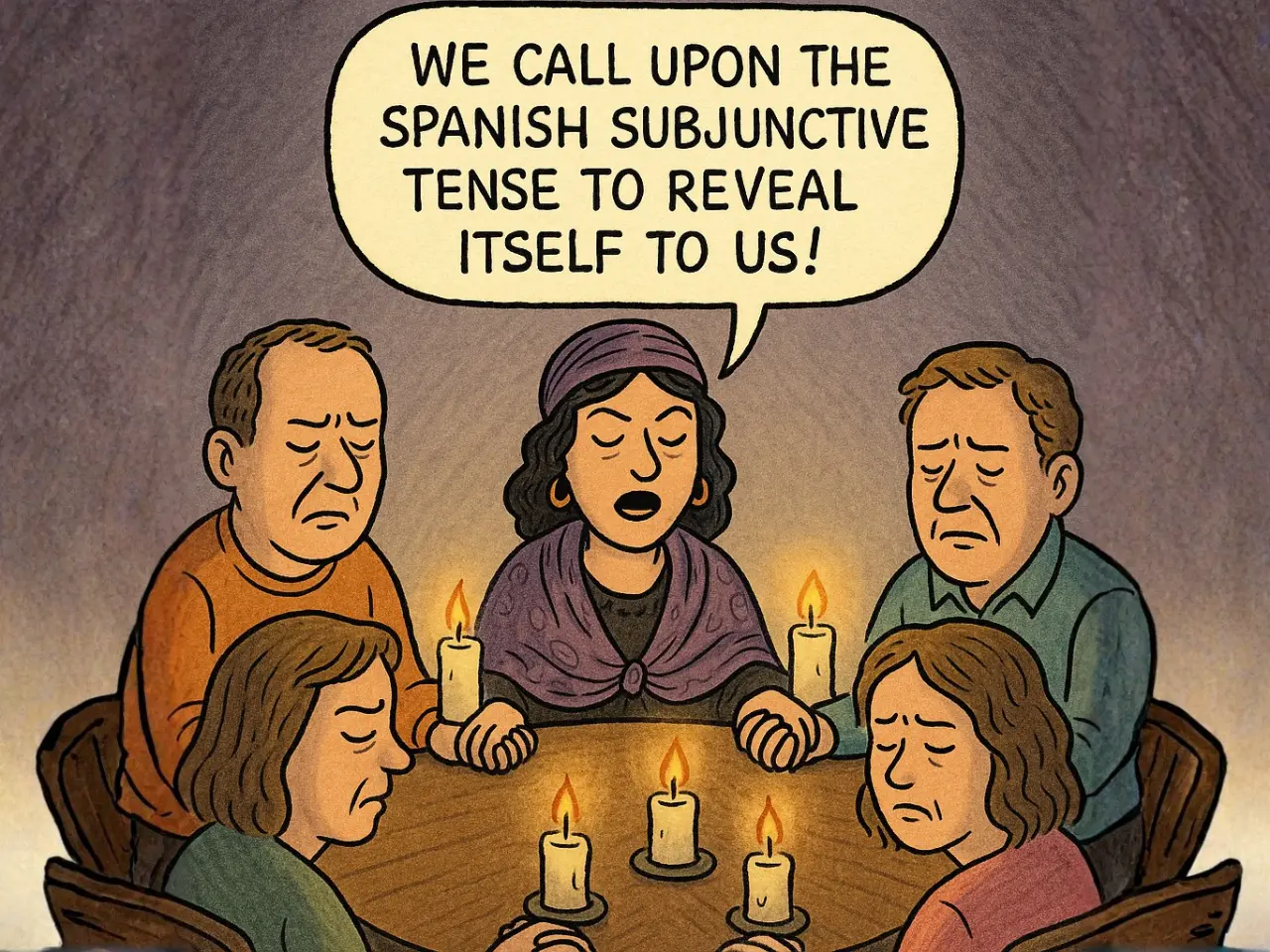
You Learned a Language Fluently Once, You Can Do It Again
We teach children fluency with research. We teach adults with empty rituals.
Your brain already learned one language fluently through a developmental sequence of interdependent skills. It can do that again. Yet most adult language instruction ignores how fluency actually develops and starts with abstraction, memorization, and grammar rules. We teach children to build mastery step by step using research. Then we hand adults empty rituals.
-
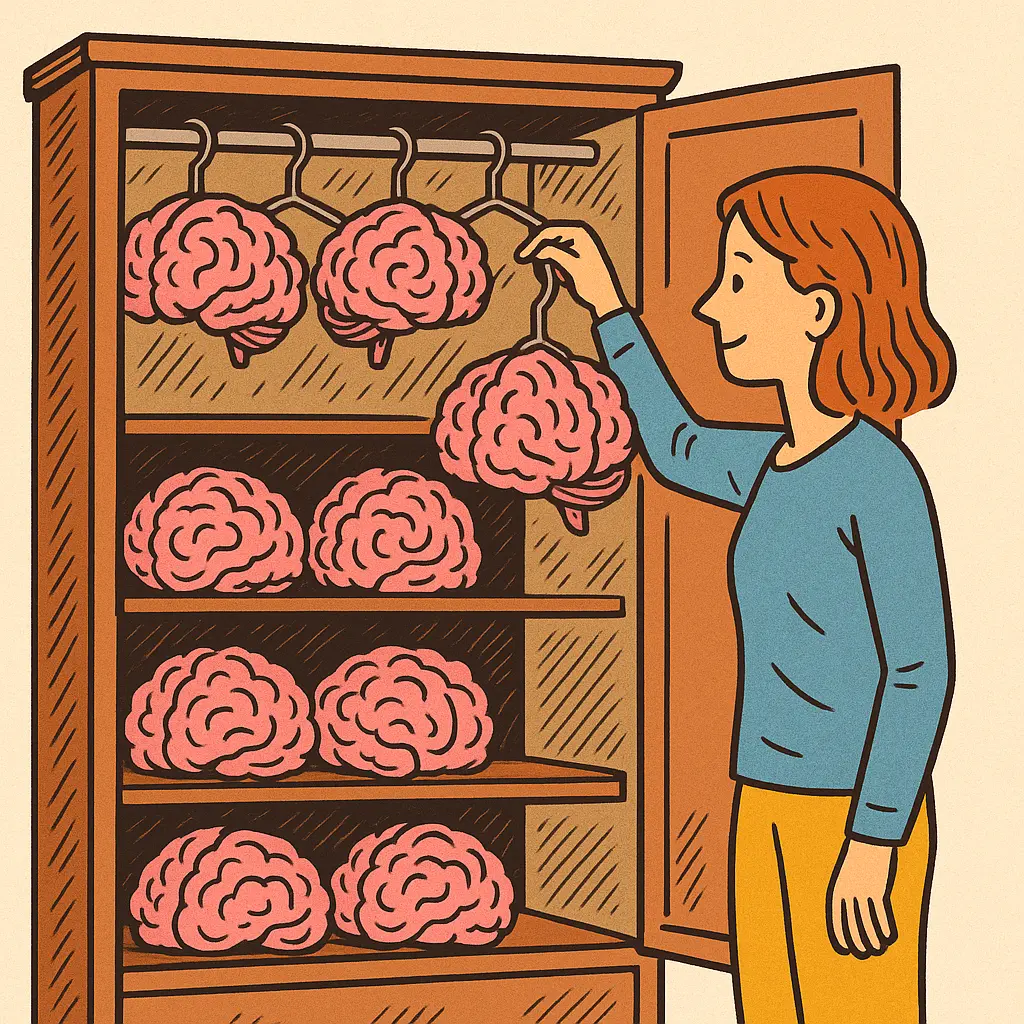
Do You Take Responsibility for Your Own Cognitive Identity and Development?
Your uniqueness is vital to your and your local community’s wellbeing.
Your real identity is your unique process of making meaning. It informs your personality, roles, and self-image. Taking responsibility for this cognitive development is key to life. Common identity assessments are limited, millions share the same results. Your cognitive patterns drive your purpose, growth, and quality of life. Are you actively shaping your mind or leaving it to others?